

Carajillo with Tequila
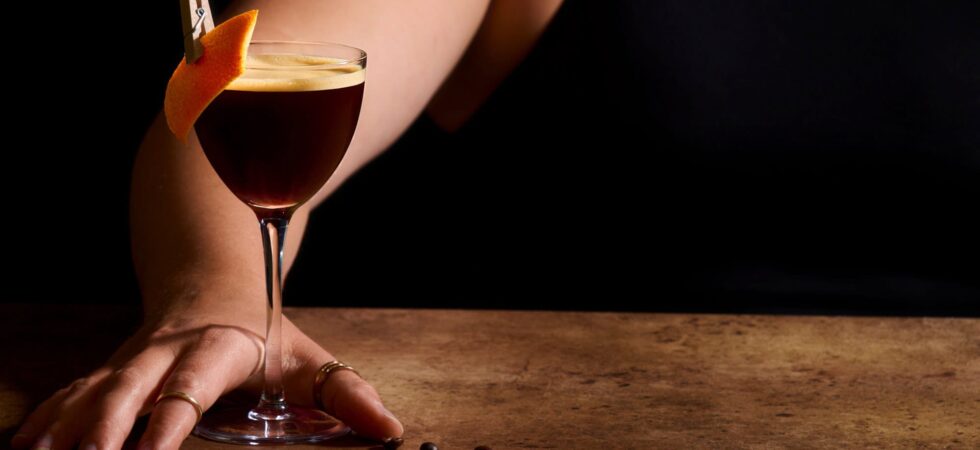
If you like coffee cocktails, but want to branch out from espresso martinis, let me introduce you to a carajillo with tequila. Traditionally, the carajillo cocktail is a 1:1 ratio of espresso to Licor 43, but it’s honestly too thick and sweet to my tastes. So, I tested out adding vodka, light and dark rum, barrel-aged gin, and blanco and reposado tequila to the recipe, to thin out and better balance the espresso cocktail (It was a fun night!).
Reposado tequila was the clear winner, it’s warmth and slight oakiness blended perfectly with the other flavors. And because I can’t leave well alone, I’ve also added molé (Mexican Chocolate) bitters and an expressed orange peel/garnish to my carajillo recipe. They really add subtle decadences without overwhelming the stars of the show. With flavors of coffee, vanilla, lemon, orange, oak, and chocolate, how can you go wrong?
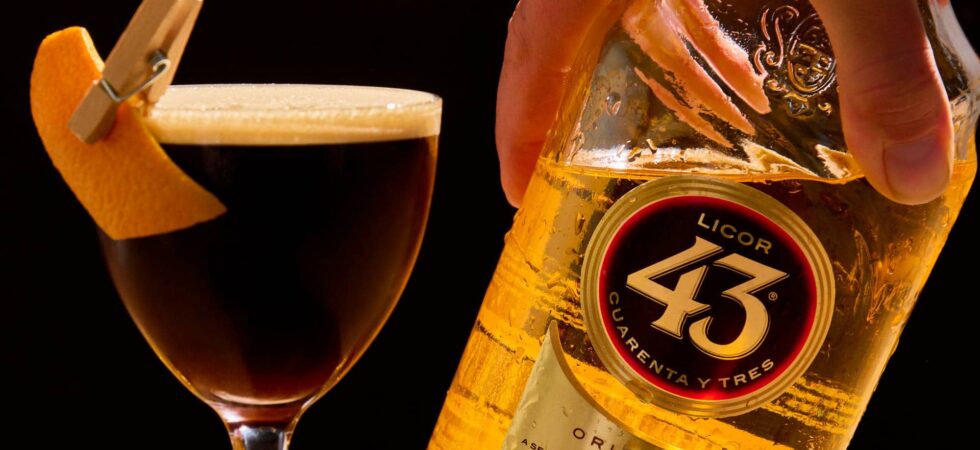
Get the Recipe: Carajillo with Tequila
Ingredients
- 1.5-2 oz espresso or cold brew concentrate, (about 2 brewed shots)
- 1.5 oz reposado tequila
- 1.5 oz Licor 43
- 3-5 dashes molé bitters, (A.K.A. Aztec Chocolate or Mexican Chocolate Bitters)
- 1 strip of orange peel, (1in x 3in or 2.5cm x 7.6cm)
Equipment
- 1 coupe or rocks glass
- 1 espresso maker optional
- 1 paring knife
- 1 cutting board
- 1 cocktail shaker
- 1 Hawthorne Strainer
Instructions
- Place a coupe or rocks glass in the freezer 15-30 minutes before making the cocktail. While the glass is chilling, fresh brew 2 shots of espresso and set it aside to come to room temperature. It should take about 3-5 minutes.
- Next, clean the skin of a orange. Then, use a y-peeler or cheese peeler to create a roughly 1in x 3in (2.5cm x 7.6cm) long strip of orange peel. Clean up the edges, shaping the peel into a parallelogram with a knife. Then, create a slit down the center of the peel leaving roughly 1/2in (1.3cm) of clearance at the top and bottom. Set your garnish aside. (If you have mini clothespins the middle slit is unnecessary.)
- Measure out the tequila and Licor43, pouring each one into the smaller side of the cocktail shaker as you go. Next, pour in the espresso shots and add a few dashes of molé bitters to that same side.
- Take the chilled glass out of the freezer as well as a large piece of ice. Drop the ice into the other side of the shaker and pour the liquid ingredients over the ice, close the shaker, and shake for 30-45 seconds. Strain into the chilled coupe glass, sans ice, or over a second large ice cube in the rocks glass.
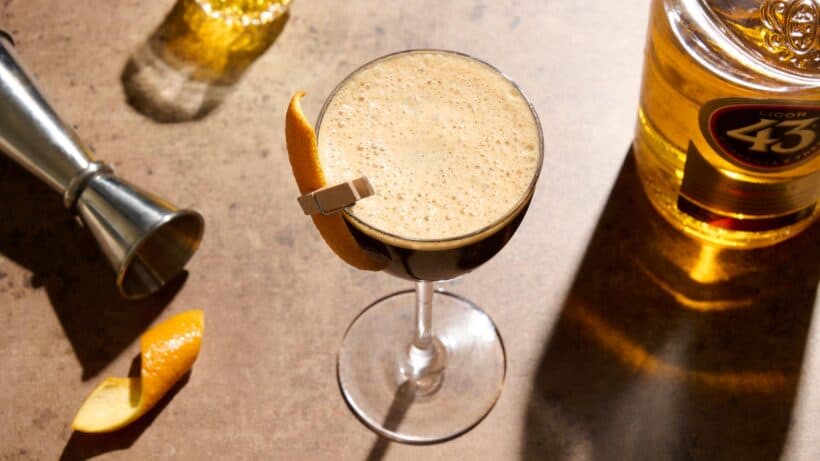
- Express the prepared orange peel over the drink by holding the top and bottom of peel horizontally and facing out. Squeeze down to release the oils. Rub the outside of the peel against the rim of the glass. Twist the peel after it's expressed and slide it onto the rim of the glass using the slit in the center. (Or pin the expressed orange peel to the glass)
Notes
- If you forget to chill your glass, just fill it with ice and set it next to your workstation while you prep the cocktail. Dump the ice right before shaking the cocktail to have it ready.
- If you use crushed ice at any point in this cocktail, it will water the whole thing down. The larger the ice cube(s) you use when shaking or serving, the less surface area there is to melt and dilute your drink. Typically, only very alcohol forward cocktails, like mint juleps use crushed ice.
- Make sure your espresso shots are cooled before mixing the cocktail or it will dilute the drink too much.
- If you don’t have access to fresh espresso, swap in cold brew concentrate. It’s easy, already chilled, and just as strong in flavor as espresso.
Nutrition
Frequently Asked Questions
For this carajillo recipe I recommend using medium to dark roast coffees. They will have a fuller mouthfeel and richer flavor, which suits a carajillo nicely. Additionally, and if your coffee packaging has tasting notes. Look for any of the following flavor profiles: Chocolate, hazelnut, caramel, orange, or pecan.
For this cocktail I recommend using reposado tequilas. Reposado tequilas are going to have some additional flavorings from the barrels they rested in, like caramel, vanilla, and oak, which blend well into a Licor 43 Carajillo. Reposados also taste more of cooked agave, thanks to the aging process. That flavor will give the cocktail a nice warmth not present in a blanco tequila. I would look for tasting notes that match the cocktail as a whole but aren’t overly sweet to start. Think G4, Santera, Tres Agaves, Código, Siete Leguas, and Cazcanes.
You could branch over into añejo tequilas, but they are typically more expensive and a lot of the nuance from the extra aging is going to get overpowered by the espresso shots. If it’s all you have at home, go for it! Otherwise stick to reposados. And, I wouldn’t choose a blanco. They are too clean and herbal tasting for the other ingredients in a carajillo cocktail.
Bitters are made from taking a high-proof spirit and adding fruit, spices and/or botanicals until they infuse into the liquor. Think of bitters the way you think of spices in cooking. They are not solid, main ingredients. But, they can still shape the flavor to an overall dish or in this case beverage.
I use molé bitters in this cocktail to add hints of chocolate without the need to sweeten it with something like chocolate liqueur.
I highly recommend going out a purchasing molé (also labeled Mexican chocolate or Aztec chocolate) bitters for this recipe. They really add a decadance and depth to this carajillo recipe, that you won’t get with any other bitters.
That being said, there are other bitters options to substitute if you don’t have molé bitters. In order of best to okay substitutions: chocolate bitters > orange bitters > lemon bitters. Please read the recommendations for instructions on each)
1. Chocolate Bitters: These bitters will be sweeter and more vanilla forward than the molé bitters, but at least you will get some mocha flavoring. (I recommend 3-4 dashes just before shaking, same as the recipe instructions)
2. Orange Bitters: Since the recipe calls for expressed orange, the natural continuation of that would be to use orange bitters. Obviously orange bitters will provide a stronger orange flavor profile. (To make sure the bitters don’t throw off the cocktail’s flavor balance, I recommend placing 3 drops of orange bitters on top of the foam created from shaking and straining the cocktail)
3. Lemon Bitters: The last option that would suit this cocktail is lemon bitters. Not, orange, but still citrus. And Licor 43 has lemon undertones, so it should pair nicely. (Use these in the same manner as the orange bitters, and place 3 drops of lemon bitters on top of the cocktail’s foam)
It’s true the main component in both sets of bitters is chocolate. However, the secondary tastes are where these two diverge. Molé (a.k.a. Aztec Chocolate or Mexican Chocolate) bitters are punchier and have a cinnamon and sometimes chili undertone. While Chocolate bitters (no a.k.a.) tend to have a sweeter flavor accompanied by vanilla.
There may be affiliate links in this post. A Little Spoon, LLC is a participant in affiliate advertising programs designed to help content creators earn fees by linking to affiliated sites.
If you love espresso martinis this is the drink to try! Easy and so tasty!
I wholeheartedly agree! Thanks for commenting. 🙂