

Chocolate Ganache Frosting
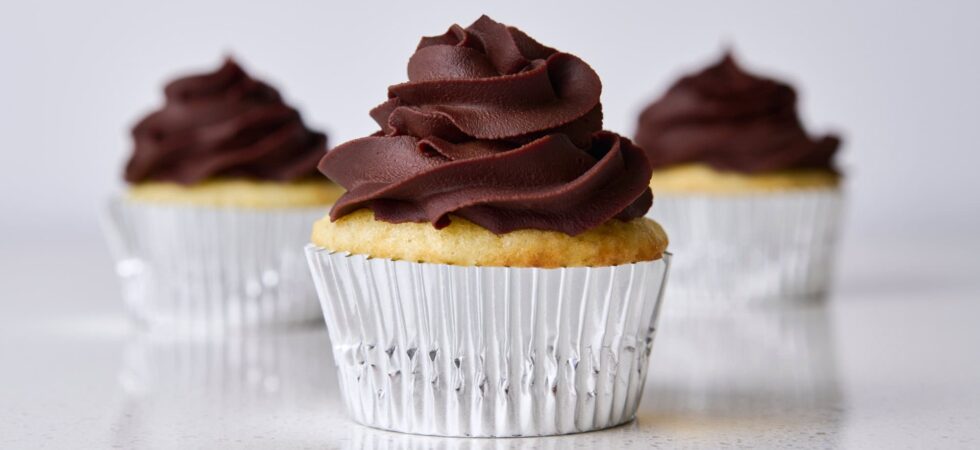
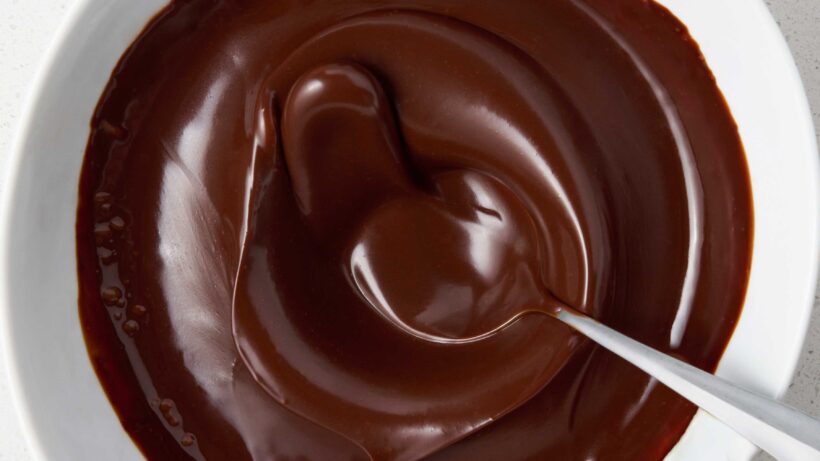
This Chocolate Ganache Frosting recipe starts off as a liquid perfect for dipping donuts and strawberries and thickens to the perfect frosting consistency for piping onto cupcakes. I use a ratio of chocolate to cream that has a little more cream than chocolate for a denser, softer finish. I also add bloomed espresso powder, a sugar syrup, and room temperature butter to the ganache recipe for better flavor, texture, shine, and longevity.
Get the Recipe: Chocolate Ganache Frosting
Ingredients
- 8 oz 60-72% cocoa chocolate , chopped from bars
- 1¼ cup heavy whipping cream
- 1 teaspoon espresso powder
- 2 tablespoons golden syrup , (subs in notes)
- 3 tablespoons european-style butter, room temperature
Equipment
- 1 chef knife
- 1 cutting board
- 1 medium bowl
- 1 kitchen scale optional
- 1 small pot
- 1 spatula
- 1 Immersion blender optional, but recommended (see instructions for substitution)
- 1 offset spatula (For spreading soft ganache frosting)
- 1 piping bag with tip (For piping thickened ganache frosting)
Instructions
- For the ganache, chop the chocolate into very small pieces (no larger than .5in or 2cm squares) and place them in a medium sized bowl.
- Then, heat the milk, golden syrup, and espresso powder until they just begin to simmer (around 180°F or 82°C). Pour the heated liquid over the chocolate and let it sit for 30-60 seconds. Then, mix with a spatula until all of the chocolate has fully melted.
- Next, add the softened butter to the warm ganache. This time, blend with an immersion or stick blender to emulsify the butter and the ganache (if you don't have one use a whisk). Mix until the butter has melted and fully incorporated into the ganache. This is a quick step. It shouldn't take more than 30 seconds with a hand blender or 60 seconds with a whisk.
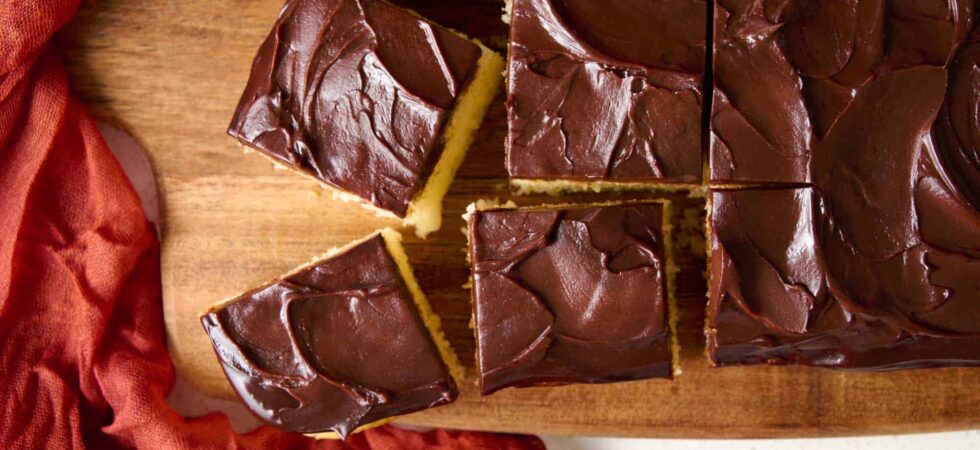
- There are 3 options for the ganache moving forward. If the chocolate ganache is not used while warm (as with option #1), cover it with cling wrap pressed gently against it's surface and place it in the refrigerator to chill. OPTION 1: Within the first 45 minutes, the ganache is the perfect consistency to dip and coat things like strawberries and donuts. It's also perfect for drizzling over cookies. OPTION 2: Between 1-2 hours the ganache will be thick enough to use as a loose frosting. Scoop it out the bowl with a spoon and use an offset spatula to spread the ganache over cakes and lofthouse or sandwich-style cookies. OPTION 3: At 4-6 hours, the ganache is ready to mix into pipeable frosting for cupcakes and other decor. Use a spatula to gently fold the ganache over itself and work in just a touch of air. When it reaches a medium peak but it still silky smooth, it is ready to scoop into a piping bag with a tip and use. IMPORTANT: Be careful. This recipe is not meant to be a whipped ganache. Over mixing will work too much air into the chocolate ganache frosting. When this happens, the emulsification of the ganache breaks down; meaning the water molecules suspended in fat will separate (think whipped cream to butter) and the sugars in the ganache will bind with the water and crystallize. The ganache will quickly turn into mousse from there. Not a bad outcome, but also not the desired one. If you see the ganache start to go matte and turn less silky you are moving into overmixed territory. Stop stirring and start piping.
Notes
- I recommend using chocolate between 60% (semi-sweet) and 70% (bitter-sweet) cacao. Their fat content makes it harder for the dark chocolate ganache frosting to break than dark chocolates with higher cacao content.
- Butter and syrup aren’t absolutely necessary to the ganache, but the chocolate ganache frosting will be better with them. (See FAQs for the science)
- If you can’t find Golden Syrup, you can use any other invert sugar (cooked sugar syrup). Quick substitutes are agave or rich simple syrup (2 parts sugar to 1 part water). Honey and glucose, while not invert sugars can also work in a pinch.
- This ganache will not harden to a crisp like melted chocolate. Every option will dry into a soft layer that is easy to bite and cut through, but won’t transfer to your hands when you touch it. It will not stay liquid.
- If it has been stored over night in the fridge, let the chocolate ganache frosting to come to room temperature before prepping it. After that, I recommend using a blowdryer on warm and low to loosen the ganache frosting’s texture, and then very gently mixing it up until it’s the consistency you’d like. Scoop into a piping bag and go from there.
- The piping tip I used to frost the cupcake is a Wilton 1M tip! 🙂
- This chocolate ganache frosting will last up to 3 days at room temperature and 3 weeks in the refrigerator.
Nutrition
Frequently Asked Questions
There are a bunch of ways to use this chocolate ganache frosting. Here’s list with some linked to recipes here on the site.
0-45 minutes after finishing the ganache (no fridge): Dipping
1. Chocolate covered strawberries
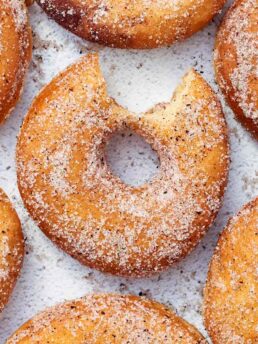
2. Chocolate frosted/dipped Brioche Donuts
1-2 hours after finishing the ganache (yes fridge): Spreads and Ribbons
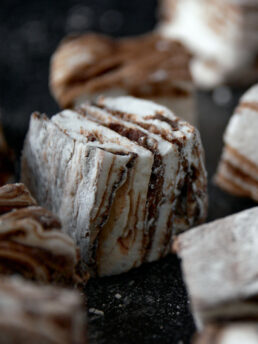
1. Ganache Swirled Marshmallows
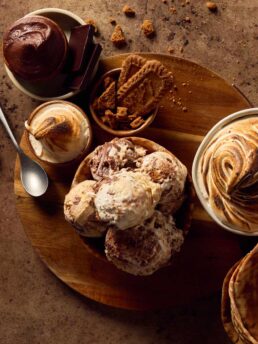
2. S’mores Ice Cream
3. Dublin Mudslide Ice Cream (Coffee, Irish Cream, and Chocolate)
4. Dark Choclate frosting spread on a cake
2-4 hours after finishing the ganache (yes fridge): Spreads and Ribbons
1. Chocolate filled brioche donuts
2. Dark Chocolate Ganache Frosting piped onto cakes and cupcakes
Of Note: If you chill the chocolate ganache frosting long enough it can be used as a soft truffle. And if you use a whisk, handmixer, or stand mixer to whip the ganache it can be turned into mousse.
Technically, there is enough fat in the whipping cream to stabilize the ganache. However, it’s common for pastry chefs to add butter and an invert syrup to ganache. They act as emulsifiers and stabilizers in order to keep the ganache creamier, glossier, and hydrated longer.
1. The butter is specifically for texture and flavor reasons. Adding butter to ganache makes it a eutectic mixture. Meaning, a mixture in which one ingredient has a lower melting point than the other ingredients and causes the whole mixture to melt or liquefy at lower temperatures. This allows a kind of domino effect, so the ganache molecules melt faster and more uniformally than in a ganache without butter. The ganache then more fully coats your tongue, which in turn makes you perceive a more full flavor and silkier texture. It also acts as an emulsifier, to hold the water and fat molecules in better and more stable suspension, so there’s a bit more flexibility between perfect and overmixed ganache.
2. The invert sugar acts to stabilize the ganache and keep it fresher longer. Invert sugars suspend any free water in the ganache, keeping it from crystalizing faster (e.g. drying out, hardening too much, and/or getting grainy over time). It also makes the process of heating, mixing, and cooling more forgiving through that same inhibition of sugar crystal development.
Of Note: You my also see some recipes use bloomed gelatin for the same reason. When done right it creates a very creamy mouthfeel and silky, yet mousse-like, texture.
And invert sugar is made when 2 parts of sucrose (sugar granules) are melted into 1 part water through heat. The heat breaks down the sucrose molecules into glucose and fructose. Making the resulting liquid actually sweeter than regular granulated sugar. It also, as written above, helps introduce additional moisture to baked goods so they stay fresher longer.
Technically, yes. But, I would really recommend sticking to high quality bar chocolate if flavor and texture are important to you. (I’m the first to admit I’m a snob when it comes to chocolate, so no shame here.)
Chocolate chips are generally made with more stabilizers and preservatives than their bar counterparts. This helps them hold their shape for things like cookies. However, it often has a negative impact on taste and texture when the confection is mostly made of chocolate. Chocolate chips use less cocoa butter, which makes them less smooth when melted.
I view morsels and chips as a convenience item. There are very few applications where it isn’t better to buy a quality chocolate and chop to your preferred size chips. It just takes longer to do that.
The best chocolate for ganache is always going to be the highest quality chocolate bar you can get your hands on. For most of us, this means brands like Lindt and Ghiradelli. You might also see a higher quality brand, like Guittard, in stores with specialty items. The best couverture (see the next FAQ for definitions) brands out there are probably Guittard, Valrhona, Callebaut, and Felchlin. Fair warning, they all come with a higher pricetag.
When in doubt, think about chocolate like this: regular chocolate chips < regular chocolate bar < couverture chocolate wafers < coverture chocolate bars.
Yay, more new vocab! Coverture or couverture (European spelling) is a high quality chocolate that must contain 35% cacao and at least 31% cocoa butter* to have the label. In the U.S. chocolate can contain as little as 20% cocoa butter. The remaining fat content is typically replaced by ingredients like palm oil or soybean oil.
In a lot of baking applications, where chocolate is mixed into a batter or dough, having this high a quality isn’t going to be as important. For recipes where chocolate is the main contributor of texture and/or flavor the extra spend will make a much better product. This is not just for gananche. It also applies to recipes like custards (ice cream, pudding, pastry cream), glazes, chocolate shells, and hot chocolate.
*Note: couverture can only be applied to milk and dark chocolates since white chocolate has no cacao solids. For quality white chocolate, stick with options that contain over 31% cocoa butter.
There may be affiliate links in this post. A Little Spoon, LLC is a participant in affiliate advertising programs designed to help content creators earn fees by linking to affiliated sites.